


The Mitsubishi i-Miev
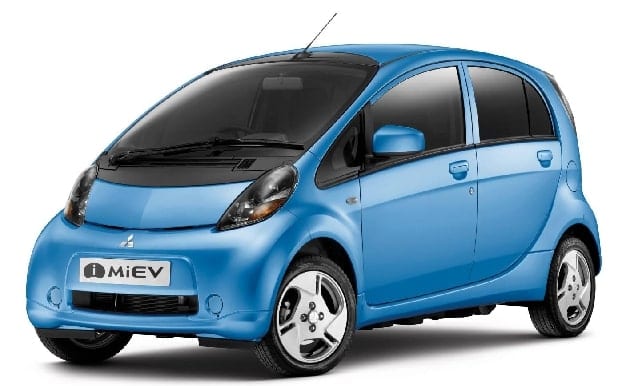
Electric cars don’t have to “suck”- as proven by Tesla, which provides a fantastic, smooth ride. This car’s horsepower is 66. Its torque is 145 pounds per feet, and it weighs only 2,579 pounds, while the average car weighs around 4,079 pounds. It reaches 60 MPH in 13.4 seconds, and does a quarter-mile in 19.4 seconds at 71.1 MPH. It’s top speed is little over 80 MPH.
Fiat Qubo Natural Power 1.4
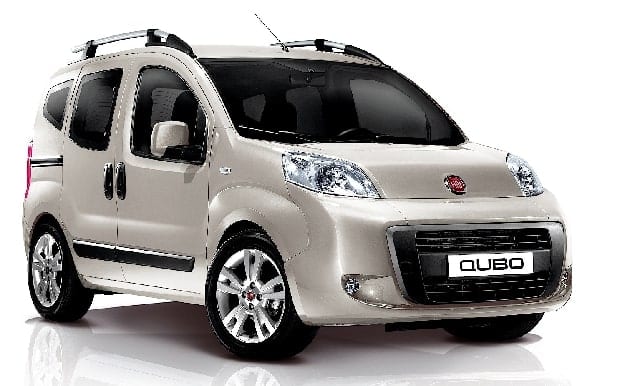
This is the slowest road-legal car for sale in Europe. It reaches 60 MPH in 17.7 seconds.
Smart CDI
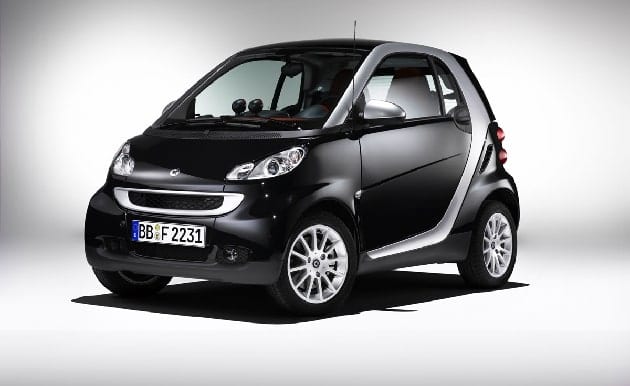
This car reaches 60 MPH in 19.5 seconds.
A YouTube video shows the Smart Fortwo CDI, one of the models often mentioned among the slowest road-legal cars, reaching 60 mph in under 11 seconds, a surprising performance improvement over its previously declared 0 to 60 mph time of 19.5 seconds. While it may not rival fast cars or subcompact crossovers like the Nissan Kicks, this fuel-efficient two-seater quadricycle proves that even the slowest cars can deliver unexpected torque and performance. In the world of urban commuting, vehicles like the Smart CDI are designed with fuel economy, compact specs, and their own way of navigating tight city streets, quite different from the classic cars or hybrid powertrains found in modern vehicles today.
Chevrolet CMV
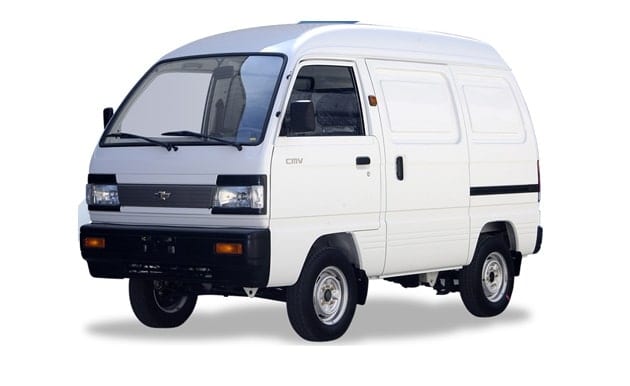
This reaches 60 MPH in an approximated 27 seconds. It carries 0.8 liters, 3 cylinders, and 37 horsepower, and costs about 992 pounds. At least it fits 7 people.
Hindustan Ambassador 1.5 DSZ
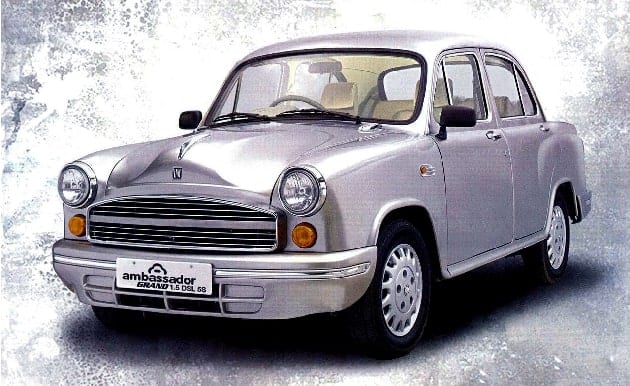
This take about 28 seconds to reach 60 MPH. It has 35.5 horsepower and 53 feet-pound of torque.
Tata Nano
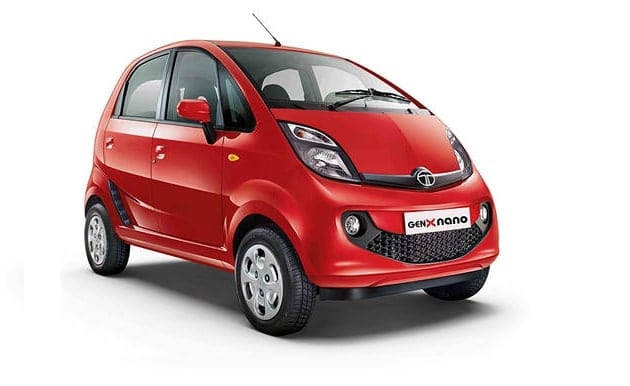
This little bridge-hooded car hits 60 MPH in a whopping 29.4 seconds. It’s also one of the cheapest cars on the market today. It is worth about 2.88 Indian Rupees, which translates to $1,486.69 U.S. dollars.
MIA Electric Car
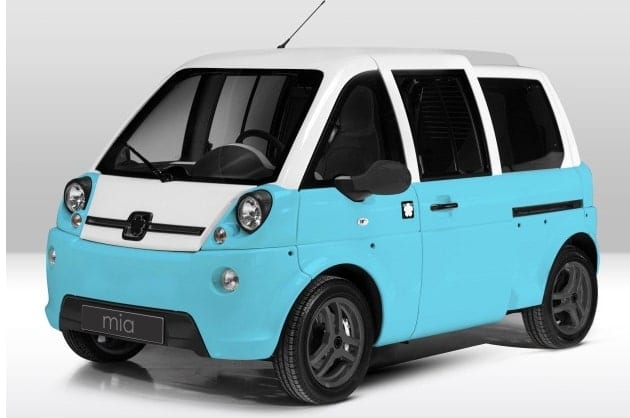
This one takes 30 seconds to reach 60 MPH. It sits 3 people.
Renault Twizy
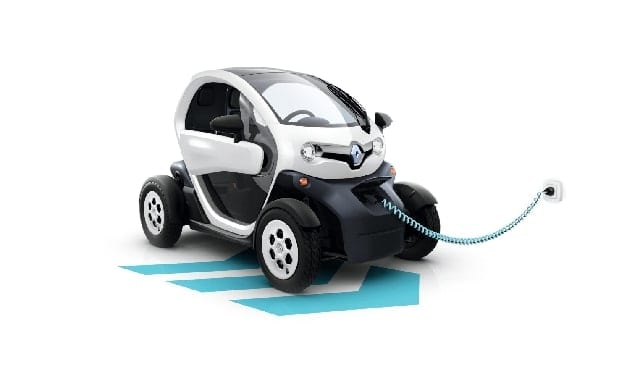
This car won’t even reach 60 MPH. It has been said to be quite fun to drive, though
Aixam Coupe
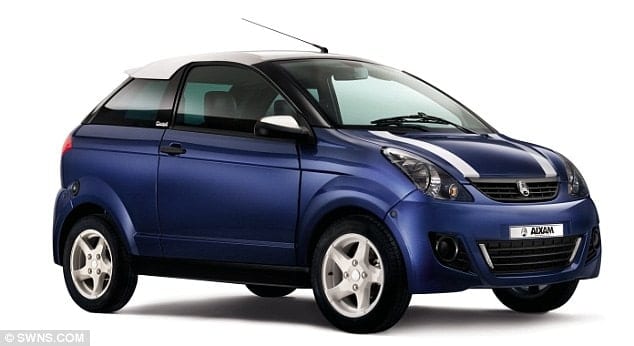
This car won’t reach 60 MPH, either; it has a 400 cc 2-cylinder diesel that produces 5.6 horsepower. You don’t even need a driving license to drive it.
Peel P50
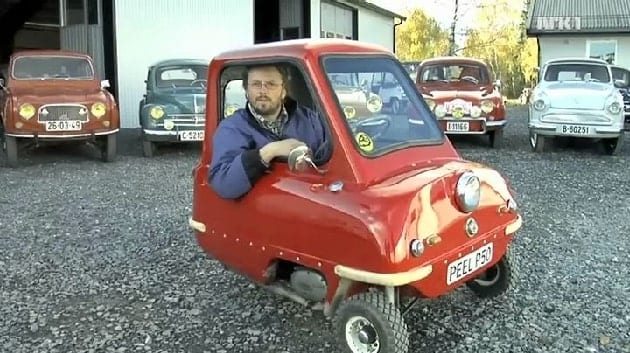
Never hits 60. This car costs $16,000, and you would be the slowest driver besides your children’s toy electric cars.
If you or someone you know is looking for a Miami car accident attorney or a personal injury lawyer in the South Florida area, contact us at CarAccidentAttorney.com, so we can get you in touch with excellent, aggressive legal representation.
Understanding the Legal Implications of Driving Slow Road-Legal Cars
While the vehicles listed above might be famous for their lack of speed, their road-legal status still entitles them to operate on public streets, within the bounds of local and state traffic laws. From compact electric models like the Renault Twizy to novelty-sized cars like the Peel P50, these vehicles are often chosen for their affordability, simplicity, or environmental impact. However, just because they’re legally allowed on the road doesn’t mean they’re without risk.
Many such road-legal cars are used in dense urban areas or by individuals with short commutes. They may appeal to older drivers, eco-conscious consumers, or those on a tight budget. However, despite their small size and limited top speed, these vehicles can still be involved in serious accidents, especially when sharing the road with faster and heavier cars.
That’s where CarAccidentAttorney.com steps in. As an attorney directory service focused on motor vehicle accidents, the platform connects injured parties with professional legal support when they need it most. If you’ve been involved in a collision, whether driving a low-speed vehicle or being struck by one, CarAccidentAttorney.com can help you find an aggressive and experienced attorney to pursue the compensation you may be entitled to.
Legal Considerations for Slower Vehicles
Most states permit low-speed vehicles (LSVs) on roads with speed limits of 35 MPH or less, and some require additional equipment, such as seatbelts, mirrors, turn signals, and headlights, for legal operation. Failing to comply with local regulations can result in citations or liability issues after a crash.
Slower vehicles can also raise questions about right-of-way, lane usage, and visibility. Accidents often happen when other drivers become impatient or attempt unsafe passing maneuvers. In such situations, legal representation is crucial for determining fault and negotiating with insurance companies.
Safety Tips for Driving Slow Cars on Public Roads
Driving a slower vehicle comes with additional responsibility. To minimize the risk of a crash:
- Stick to roads with compatible speed limits. Avoid highways and high-speed zones whenever possible.
- Stay visible. Use hazard lights, reflective decals, and daytime running lights to ensure larger vehicles see you.
- Avoid peak traffic hours. Heavier traffic increases the risk of rear-end collisions.
Follow all safety equipment regulations. Proper lighting, mirrors, and turn signals help meet legal standards and prevent confusion.
Even with these precautions, accidents can and do happen. Whether you’re the driver of a slow vehicle or injured by one, legal clarity is essential to protect your rights.
What to Do After an Accident Involving a Low-Speed Car
If you’re involved in an accident with a slower vehicle, treat it like any other motor vehicle collision. Call authorities, document the scene, and seek medical attention. Then, contact CarAccidentAttorney.com. Our directory connects injured parties with legal professionals who understand the complexities of cases involving low-speed vehicles and even accidents involving America’s Most Accident-Prone Cars, and how to deal with insurers who may downplay the damage due to the car’s size or speed.